 Historically, contractors and fleet operators often searched for air compressors by horsepower.
“Do we need a 20 HP compressor?”
“How much horsepower do we need to power our work truck?”
“Would a bigger engine give us better tool performance?”
Today, however, more operators are discovering that Cubic Feet Per Minute (CFM) matters far more than horsepower when selecting a mobile air compressor for a service truck, mechanic truck, utility fleet, or service van.
That shift is changing how compressed air systems are researched, specified, and purchased across North America.
Why Tool Selection Matters More Than Horsepower
One of the biggest mistakes operators make is selecting an air compressor before identifying the actual tools required for the job.
Different pneumatic tools demand very different airflow requirements.
For example:
- Tire inflators may require relatively low airflow
- High-torque 1-inch impact wrenches require substantially more air
- Grinders and pavement breakers require sustained continuous airflow
-
Mobile tire repair applications often require multiple tools operating throughout the day
This is why operators should first determine:
- what tools they use most frequently
- whether tools run intermittently or continuously
- how many technicians may use air at the same time
-
and whether future airflow demands may increase
Choosing the right compressor starts with understanding the application, not simply selecting the biggest horsepower number available.
“Understanding your air requirements before purchasing a compressor can help avoid downtime and improve productivity.”
Why Horsepower Alone Does Not Tell the Full Story
Horsepower measures engine or motor power. CFM measures usable airflow.
In mobile compressed air applications, airflow is ultimately what powers pneumatic tools and keeps operators productive.
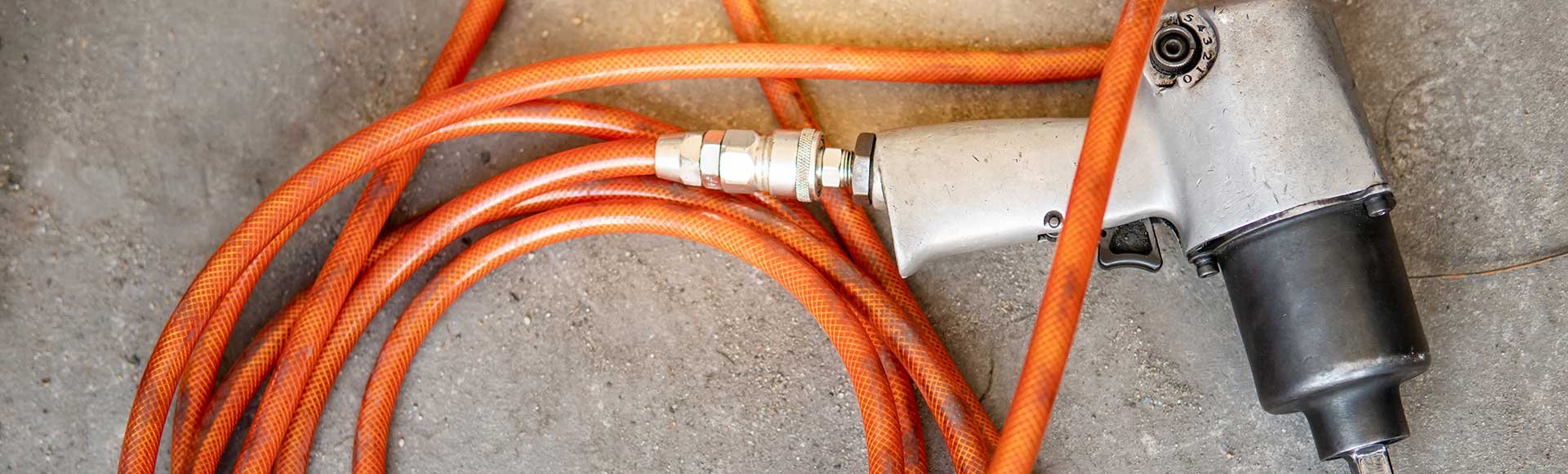
Two air compressors with similar horsepower ratings can deliver very different airflow outputs depending on compressor technology, air end efficiency, operating pressure, duty cycle, cooling design, and overall engineering.
This is especially true when comparing rotary screw compressors to reciprocating compressors.
“Rotary screw air compressors are designed for continuous use and generally provide more compressed air per horsepower than reciprocating compressors.”
Why More Operators Are Choosing 30-40 CFM Systems
The mobile compressed air market is increasingly centered around “right-sized” airflow.
Instead of automatically purchasing oversized compressors, operators now prioritize:
- compact packaging
-
lower weight
- continuous-duty performance
- fuel efficiency
-
and enough airflow to handle daily tool demands
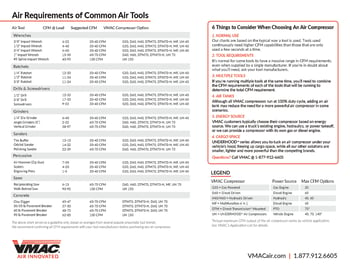 For many applications, that lands directly in the 30-40 CFM range.
VMAC developed a helpful air tool consumption chart to help you find the air compressor that’s right for you.
This airflow range is ideal for mobile tire repair applications, utility fleets, municipalities, service vans, light duty and medium duty mechanic trucks, and maintenance crews.
At the same time, these systems remain lightweight, fuel efficient, and easier to integrate into modern vehicles. The VMAC G30 Gas Driven Air Compressor delivers 30 CFM at 100 psi with 100% duty cycle performance in a lightweight package ideal for service trucks, mobile tire service, utility fleets, and service vans. Additionally, UNDERHOOD Air Compressors help operators maximize cargo space while maintaining powerful rotary screw airflow performance directly from the truck engine compartment.
Why the VMAC G30 Fits Modern Fleet Trends
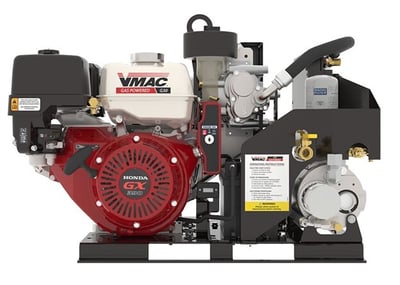 As fleets increasingly prioritize lighter and more compact service vehicles, the G30 category has become particularly important.
The VMAC G30 delivers:
- 30 CFM at 100 psi
- 100% duty cycle
- compact installation options
-
and significantly reduces weight compared to many traditional reciprocating gas driven air compressors.
That reduction in size and weight can help operators:
- improve fuel economy,
- maximize cargo space,
- carry more tools,
-
and avoid unnecessary vehicle up-sizing.
For service vans and smaller mechanic trucks, that matters enormously.
“The G30 is 59% lighter and 61% smaller than many competitive systems.”
Why UNDERHOOD® 40 Continues to Gain Attention
For fleets wanting to maximize truck bed space and maintain a clean service body layout, UNDERHOOD systems remain one of the most popular compressed air categories in the market. The UNDERHOOD 40 Air Compressor for trucks is specifically designed to free cargo space, reduce external equipment footprint, and provide rotary screw performance directly from the vehicle engine.
This is especially important for fleets carrying:
- tires
- replacement parts
- safety equipment
-
and tire repair equipment.
Additionally, the UNDERHOOD 40 for commercial vans and operators who use small air tools for light duty applications. UNDERHOOD systems help fleets optimize payload, storage, and overall van efficiency.
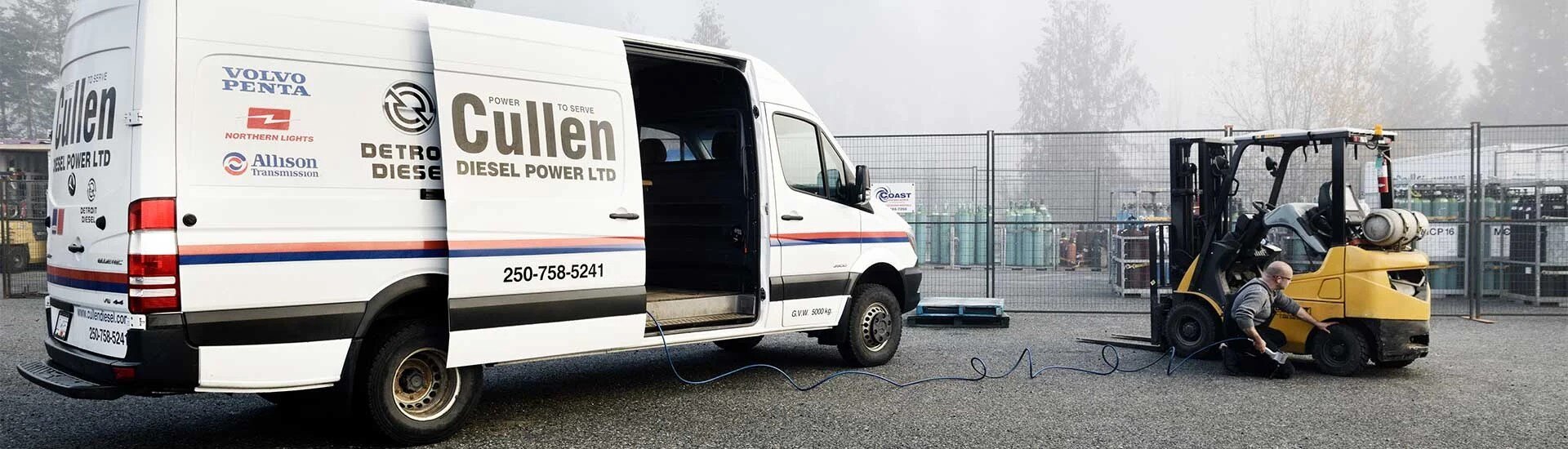
“UNDERHOOD air compressors can free up to 80 cubic feet of cargo space and reduce weight by up to 1,900 pounds compared to many traditional mobile compressor systems.”
Continuous Duty Matters More Than Peak Numbers
One of the biggest misconceptions in compressed air is assuming that advertised airflow always equals real-world performance.
Many reciprocating compressors operate intermittently and require recovery periods between airflow cycles.
That means operators inflating tires or using grinders, blow guns, and other continuous-use tire tools may experience pressure drop, recovery delays, and reduced productivity.
A continuous-duty rotary screw compressor maintains consistent airflow until the job is complete, helping improve productivity and tool performance in demanding applications.
“Most reciprocating compressors have duty cycles between 20% and 50%, while rotary screw compressors are designed for 100% duty cycle.”
Helpful Resources
• VMAC G30 Gas Driven Air Compressors
• VMAC UNDERHOOD Air Compressors
• What Size Air Compressor Do I Need for Air Tools?
• Air Tool CFM Usage Chart
• Rotary Screw vs. Reciprocating Air Compressors
Final Thoughts
Horsepower still plays an important role in compressor engineering, but for mobile service applications, usable airflow is what truly drives productivity.
Today’s operators increasingly prioritize continuous airflow, compact installation, lightweight systems, and tool performance over simply choosing the largest horsepower rating available.
For many mobile tire repair fleets, service trucks, municipalities, utility contractors, and field mechanics, compact rotary screw systems in the 30-40 CFM range continue to provide the ideal balance between airflow, vehicle efficiency, tool compatibility, and productivity.
