Supporting a Community That Doesn't Have Its Own Landfill
When most people throw away a bag of garbage, recycle old electronics, or drop off leftover paint, they rarely think about what happens next.For residents of Castor, Alberta, waste management looks different than it does in larger urban centres. Unlike many municipalities, Castor does not operate its own landfill. Instead, residents rely on the Castor Waste Transfer Station, one of three facilities operated by the Paintearth Regional Waste Management (PRWM) program.
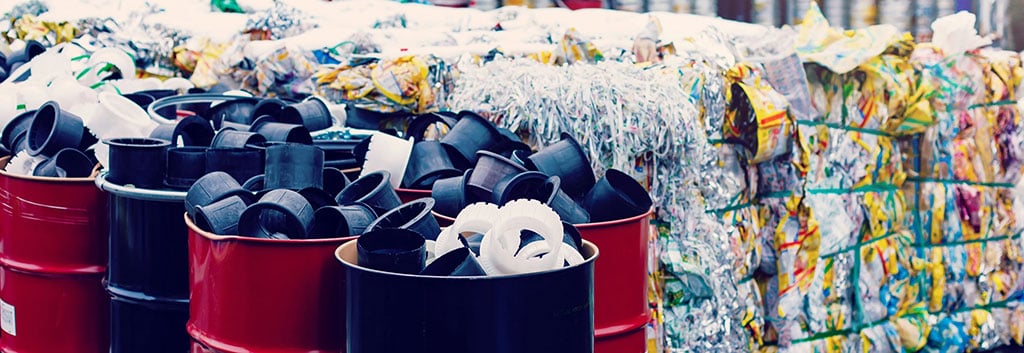
Alongside transfer stations in Coronation and Halkirk, the Castor facility serves as an important community resource where residents can dispose of household waste, recycling, electronics, tires, scrap metal, paint, and other materials. These facilities help keep recyclable materials and hazardous household products out of landfills while ensuring waste is transferred to appropriate regional disposal sites.
This regional approach allows smaller communities to provide responsible waste management services without the significant costs associated with building, operating, and maintaining a municipal landfill. However, while residents see a convenient drop-off location, municipal crews see something else entirely.
They see gates that need repair, fencing that needs maintenance, collection bins that require servicing, compactors that need attention, and infrastructure that must remain operational every day for the community to function. Keeping that system running requires dependable equipment and efficient municipal operations.
For the Town of Castor, one piece of equipment helping support those efforts is a municipal service truck equipped with a VMAC hydraulic-driven rotary screw air compressor.
Why Waste Transfer Stations Matter to Rural Communities
Waste transfer stations are often the unsung heroes of rural municipal infrastructure.
The Castor Waste Transfer Station, located approximately one mile west of Castor on Highway 12 and one-half mile north, provides residents with access to a wide range of waste and recycling services. The facility accepts household waste, recyclables, metal, tires, electronics, household goods, and paint. Special household hazardous waste collection events are also periodically offered to residents.
Access to the facility is managed through a Resident Access Card program, helping ensure the transfer stations remain available for local users while supporting responsible waste management practices throughout the region. Without facilities like these, residents would face significantly longer travel distances to dispose of everyday household waste and recyclables. That makes ongoing maintenance of the transfer station critical.
Every gate that opens and closes, collection bin that is serviced, fence that protects the site, and every piece of infrastructure that supports operations plays a role in ensuring residents continue to receive dependable waste management services.
The Municipal Service Truck That Does More Than Drive
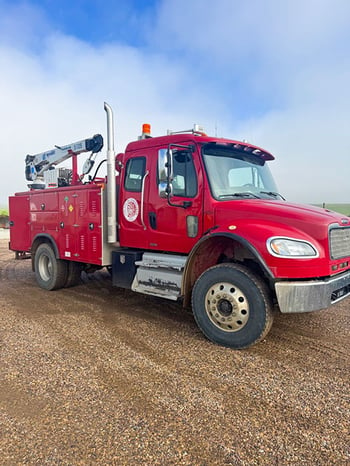 In many rural municipalities, crews do not have the time or budget for maintaining specialized vehicles for every task.
The same truck may support:
-
Waste transfer station maintenance
-
Road repairs
-
Parks maintenance
-
Public facility upkeep
-
Water and sewer infrastructure work
-
Emergency repairs
-
Seasonal maintenance projects
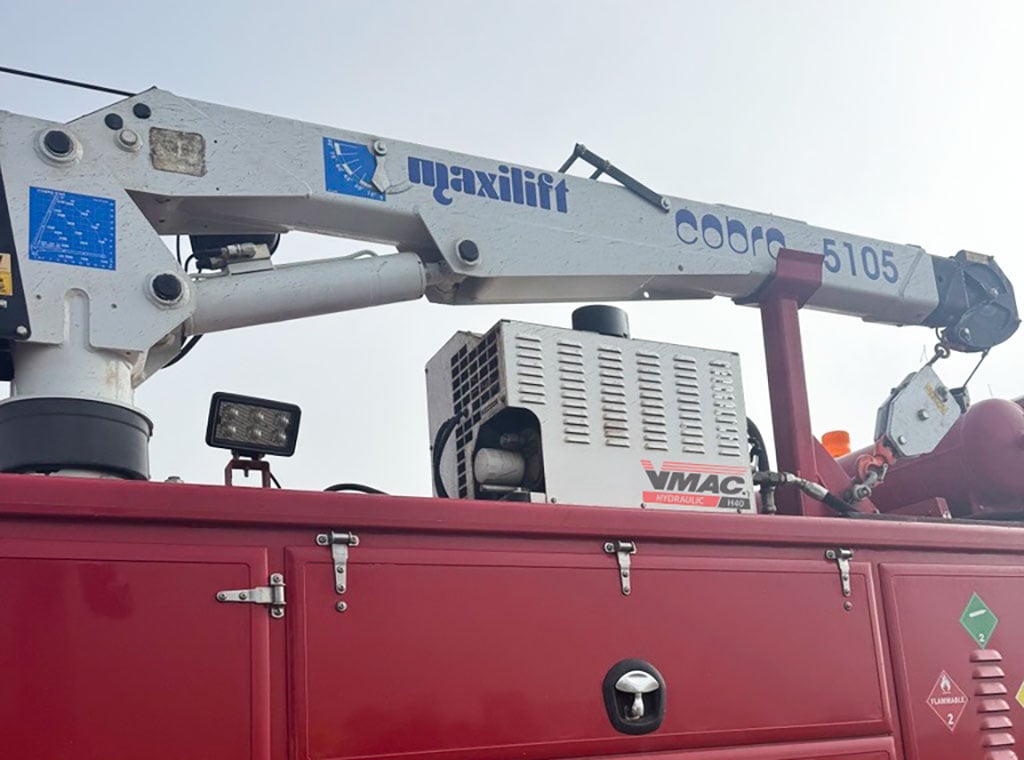
That means every piece of equipment installed on the truck must earn its place. By equipping its municipal work truck with a VMAC Hydraulic Air Compressor, the Town of Castor has access to mobile compressed air wherever maintenance work is required.
Instead of towing a separate air compressor trailer or returning to the shop for compressed air, municipal crews can bring the air directly to the jobsite. For rural municipalities where efficiency matters, that flexibility can significantly improve productivity.
How a Hydraulic Air Compressor Helps Maintain Community Infrastructure
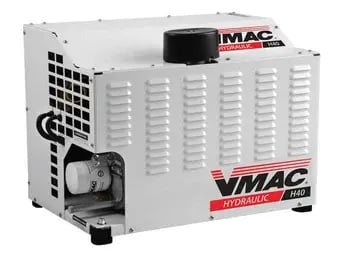 Many people associate compressed air with construction sites or mobile tire repair services, but compressed air is also an important tool for municipal maintenance operations. Because the VMAC system is integrated directly into the municipal truck's hydraulic system, operators have access to compressed air wherever the truck can go. This eliminates many of the logistical challenges associated with portable compressors and allows crews to complete repairs more efficiently.
Reducing Downtime Means Better Service for Residents
 One of the biggest challenges facing municipalities today is doing more with limited resources. Budget pressures, aging infrastructure, workforce shortages, and increasing service expectations continue to place demands on municipal departments across North America. When equipment breaks down, every minute of downtime matters. A damaged gate at a transfer station can impact accessibility. A broken collection bin can disrupt operations. Infrastructure failures can create delays that affect residents directly.
By providing continuous compressed air directly from the service truck, a VMAC hydraulic air compressor helps municipal crews respond more quickly and complete repairs faster. Rather than coordinating additional equipment, crews can arrive on site with the tools and air power necessary to begin work immediately.
For residents, that translates into fewer disruptions and more reliable municipal services.
Why Rotary Screw Air Compressors Are Ideal for Municipal Fleets
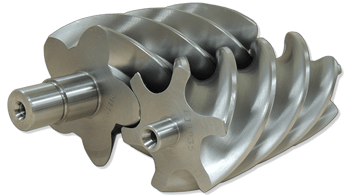 Not all air compressors are created equal. Many municipalities are moving toward rotary screw air compressors because of their ability to provide continuous airflow and support demanding field applications. Unlike traditional reciprocating compressors that rely on pressure cycles and recovery times, rotary screw compressors deliver air continuously.
This means operators can run pneumatic tools without stopping to wait for pressure to rebuild. For municipal crews maintaining transfer stations, roads, public facilities, or utility infrastructure, that continuous airflow can significantly improve productivity.
The benefits include continuous compressed air, reduced maintenance requirements, compact installation, improved reliability, increased productivity, and reduced equipment downtime. These advantages have made rotary screw technology increasingly popular among municipal fleets throughout North America.
Supporting More Than Waste Management
Although the Castor Waste Transfer Station provides an excellent example of how mobile compressed air benefits municipal operations, the value extends far beyond waste management. Municipal service trucks equipped with hydraulic air compressors can support numerous departments and projects.
One of the biggest advantages of a hydraulic air compressor is its ability to power a wide variety of pneumatic tools from a single municipal service truck. For communities like Castor, where crews are responsible for everything from transfer station maintenance and road repairs to facility upkeep and emergency response, having reliable compressed air available wherever work is needed helps improve efficiency and reduce downtime.
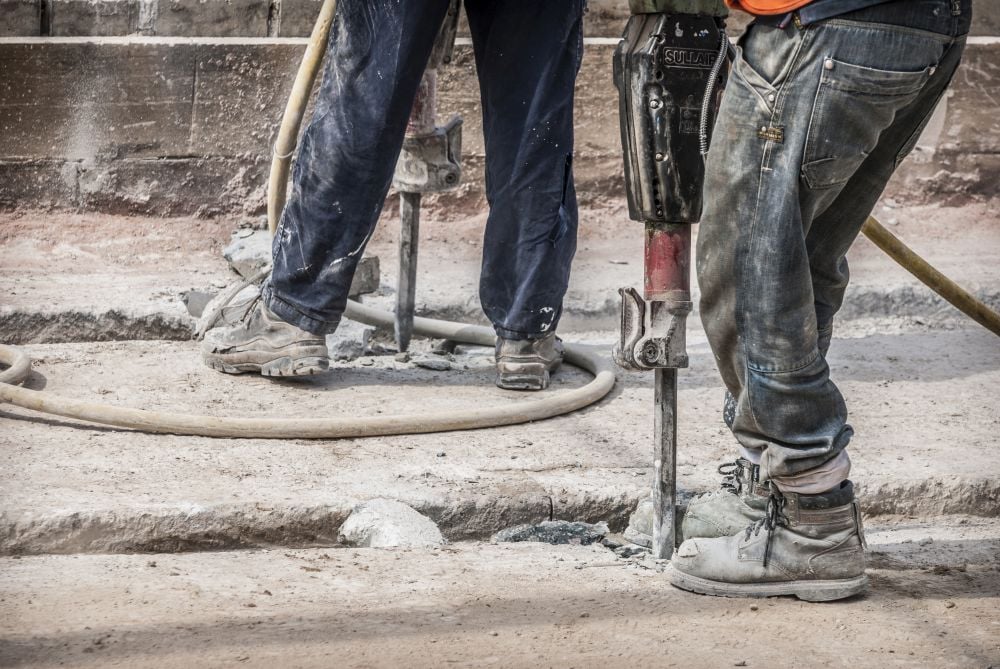 Common pneumatic tools powered by hydraulic air compressors include:
- Impact wrenches for equipment repairs and maintenance
- Jackhammers for concrete and asphalt work
- Air chucks for tire inflation and servicing
- Grinders for cutting, shaping, and surface preparation
- Chipping hammers for concrete and masonry repairs
- Air spades for excavation around utilities and sensitive infrastructure
- Pneumatic moles for underground utility installations
-
Post pounders for fencing, signage, and barrier installation
This versatility allows municipal crews to carry fewer pieces of equipment while still being prepared to tackle a wide range of maintenance and infrastructure projects throughout the community.
Why Hydraulic Air Compressors Are a Smart Choice for Municipal Fleets
Beyond powering tools, hydraulic air compressors offer several advantages that make them particularly well suited for municipal applications.
Because the compressor integrates directly with the truck's existing hydraulic system, municipalities can access both hydraulic and compressed air power from a single vehicle without the need for an additional engine. This reduces equipment complexity while maximizing the capabilities of the service truck.
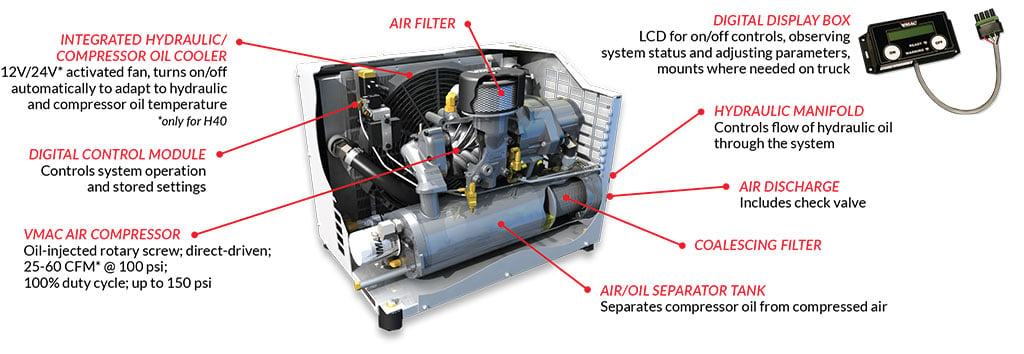
Additional benefits include:
- Access to both hydraulic and compressed air power from one vehicle
- Integration with existing truck hydraulic systems
- No separate compressor engine to maintain
- Lower operating and maintenance costs compared to many standalone systems
- Simple installation and operation
- Safe and reliable performance in demanding environments
-
Ability to transfer the compressor between compatible vehicles when fleet requirements change
For rural municipalities like Castor, where equipment must be versatile, dependable, and cost-effective, hydraulic air compressors help crews do more with less while keeping essential community services running smoothly.
Instead of investing in separate equipment for every task, municipalities can maximize the value of a single vehicle while improving overall fleet productivity. For communities like Castor, this approach helps ensure taxpayer dollars are used efficiently while maintaining a high level of service for residents.
Keeping Essential Services Running
The story of Castor's waste transfer station is ultimately a story about community. It is about ensuring residents have a convenient place to dispose of waste and recyclables. It is about maintaining infrastructure that many people never think about but rely on every week. It is about equipping municipal crews with the tools they need to keep those services operating safely and efficiently.
A hydraulic air compressor may seem like a small component of a municipal fleet, but its impact reaches much further. By helping work crews complete repairs faster, reduce downtime, and improve productivity, it supports the infrastructure that residents depend on every day.
For a community without its own landfill, maintaining a reliable waste transfer system is essential. For the Town of Castor, mobile compressed air and VMAC are helping make that possible.
